
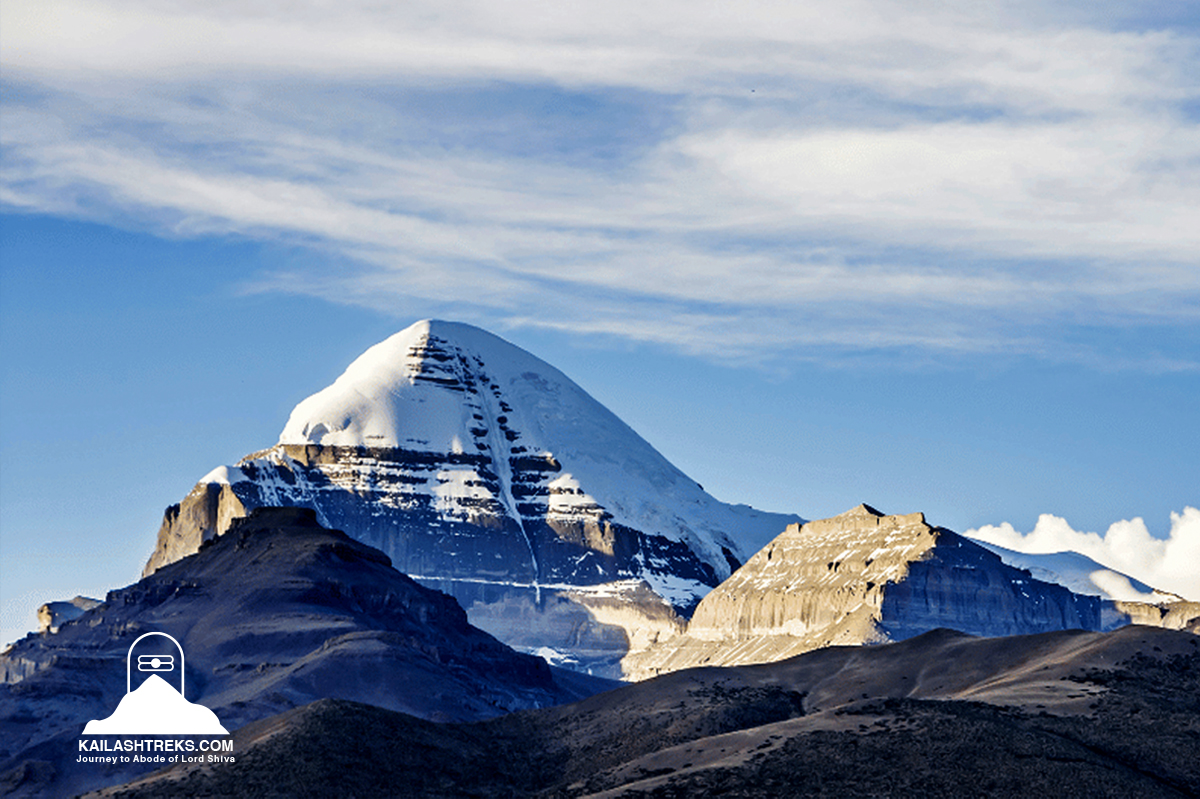
When Should I Visit the Kailash Mansarovar Yatra in 2026? A Comprehensive Pilgrimage Guide for Indian Devotees
Mount Kailash and Lake Mansarovar represent the spiritual pinnacle of pilgrimage in South Asia, drawing devotees from across the Hindu, Buddhist, Jain, and Bon traditions. If you're planning a Kailash Mansarovar Yatra 2026, timing your journey correctly is essential—not merely for logistical reasons, but for maximizing the spiritual experience while ensuring physical safety in this extreme high-altitude environment. This comprehensive guide reveals the optimal months, weather patterns, critical preparation strategies, and practical logistics for your sacred pilgrimage.
Why 2026 is a Sacred Year: The Fire Horse Year Phenomenon
2026 marks an exceptionally auspicious period for the Kailash pilgrimage 2026, as it coincides with the Fire Horse Year—a rare celestial occurrence that happens only once every 60 years in the Tibetan calendar. This alignment creates what devotees call the "Mahakumbh of Kailash," carrying spiritual significance equivalent to India's Mahakumbh Mela. According to Tibetan Buddhist traditions, completing a single circumambulation (Kora) during a Horse Year holds the spiritual merit equivalent to 12 or 13 Koras in regular years, making this year an unparalleled opportunity for spiritual transformation. This exceptional significance has already prompted record bookings among Indian pilgrims, so early planning becomes critical.
Best Time to Visit Kailash: A Month-by-Month Analysis
May: The Awakening Season
Critical Understanding: While these temperatures appear manageable during day hours, the extreme altitude (base camp at 4,560m; Dolma La Pass at 5,630m) means significant wind chill and hypothermia risk, particularly at night. Prepare for rapid weather shifts and high UV radiation even on clear days due to the thin atmosphere.
Key advantages for May travel:
- Clear atmospheric conditions with minimal rainfall
- Fewer pilgrims compared to peak season
- Optimal photography opportunities
- Manageable temperatures for acclimatization
June: Peak Spring Season
June maintains the favorable weather of May while offering increasingly comfortable daytime temperatures (11°C–20°C). This month balances spiritual energy with physical comfort, making it ideal for families and senior citizens planning their Kailash Mansarovar Yatra 2026.
June experiences the first monsoon influence, though the Tibetan plateau remains relatively dry compared to Nepal and India. Brief afternoon showers may occur, but they rarely disrupt trekking schedules. The extended daylight hours—lasting until 9 PM—provide ample time for both the Kailash Kora trek and meditation at Lake Mansarovar.
July and August: The Peak Pilgrimage Window
July and August represent the most spiritually charged months, drawing pilgrims from across the globe. These summer months align with Guru Purnima (July 29, 2026) and Janai Purnima (August 28, 2026), dates when significant pilgrims perform sacred rituals and circumambulations.
Daytime temperatures warm to 15°C–22°C, creating relatively pleasant trekking conditions despite the cold nights (0°C–5°C). However, expect increased rainfall and crowded pilgrimage conditions. The 2026 Fire Horse Year will intensify crowds as tens of thousands of Tibetan, Hindu, Buddhist, and Jain pilgrims gather simultaneously.
Spiritual significance
- The Highest concentration of ritual activities
- Enhanced collective spiritual energy
- Multiple full moon celebrations and festival dates
- Peak opportunity for experiencing Kailash Kora with the global devotee community
September: The Serene Alternative
For pilgrims seeking reduced crowds and crisp post-monsoon clarity, September emerges as an underrated gem. Weather conditions rival June's comfort (daytime temperatures 10°C–18°C), and the atmosphere remains charged with spiritual energy without the overwhelming crowds of July-August.
September offers particular appeal to those who:
- Prefer solitude during their circumambulation
- Prioritize photographic opportunities without crowded landscapes
- Seek budget savings (fewer pilgrims means lower accommodation costs)
- Want stable weather with the post-monsoon freshness
The Full Moon on September 26, 2026, provides an exceptional date for September travel.
Detailed Weather Breakdown: What to Expect Each Month
|
Month |
Daytime Temp |
Nighttime Temp |
Rainfall |
Climate Overview |
|
May |
5-15°C (41-59°F) |
-7-0°C (19-32°F) |
Minimal (21mm) |
Dry, clear skies; ideal visibility |
|
June |
11-20°C (52-68°F) |
-2-5°C (28-41°F) |
Light (32mm) |
Pleasant; extended daylight; occasional showers |
|
July |
12-22°C (54-72°F) |
1-5°C (34-41°F) |
Moderate (107mm) |
Warmest month; nighttime rain possible |
|
August |
11-20°C (52-68°F) |
0-5°C (32-41°F) |
Moderate (119mm) |
Similar to July; warm days, cold nights |
|
September |
10-18°C (50-64°F) |
-1-4°C (30-39°F) |
Minimal (light) |
Post-monsoon clarity; fewer crowds |
Critical Understanding: While these temperatures appear manageable during day hours, the extreme altitude (base camp at 4,560m; Dolma La Pass at 5,630m) means significant wind chill and hypothermia risk, particularly at night. Prepare for rapid weather shifts and high UV radiation even on clear days due to the thin atmosphere.
Understanding the Kailash Mansarovar Yatra Route and Duration
The Kailash Mansarovar Yatra route encompasses multiple journey options suited to different fitness levels and time constraints:
The Sacred Kailash Kora (Circumambulation)
The spiritual centerpiece involves circumambulating Mount Kailash in a 3-day trek spanning 52 kilometers. This parikrama follows the ancient pilgrimage path, ascending to the sacred Dolma La Pass at 5,630 meters (18,471 feet)—the highest and most spiritually significant point.
Kora Trek Breakdown:
- Day 1: Yam Dwar to Dirapuk Monastery – 20km, 7-9 hours, elevation gain to 5,210m
- Day 2: Dirapuk to Zuthulphuk via Dolma La Pass – 18km, 7-8 hours, 5,630m peak
- Day 3: Zuthulphuk to Darchen – 14km, 4-6 hours, completion of Kora
Additionally, pilgrims typically perform Lake Mansarovar Kora—a circumambulation of the holy lake spanning approximately 52km (usually split into 2-3 days with motorized assistance available).
Standard Yatra Durations
|
Route Option |
Duration |
Best For |
Typical Cost (Indian) |
|
Overland via Kathmandu |
13-16 days |
Budget-conscious pilgrims |
₹2,30,000-2,40,000 |
|
Helicopter-Assisted |
8-11 days |
Senior citizens; time-constrained pilgrims |
₹2,80,000-3,20,000 |
|
Overland via Lhasa |
14-16 days |
Those wanting extended cultural exploration |
₹2,50,000-3,70,000 |
Critical Altitude Sickness Prevention: Essential Preparation
The most significant health challenge of the Kailash Mansarovar journey preparation stems from rapid altitude gain. Base camp (Darchen) sits at 4,560 meters, while the Dolma La Pass reaches 5,630 meters—altitudes where reduced oxygen triggers acute mountain sickness (AMS) affecting 50-70% of unacclimatized pilgrims.
Pre-Trip Acclimatization Strategies
- Gradual Ascent Protocol: Limit daily elevation gains to 300-500 meters, incorporating rest days after significant climbs.
- Pre-Yatra Training: Complete high-altitude treks at similar elevations (above 3,500m) in the 2-3 months preceding departure.
- Medical Consultation: Discuss acetazolamide (Diamox) with your physician; this prescription medication significantly reduces AMS incidence when taken correctly.
During Yatra Altitude Management
- Hydration Protocol: Drink 3-4 liters of water daily to combat dehydration at extreme altitude.
- Nutritional Support: Consume high-calorie, carbohydrate-rich meals; avoid heavy foods that impair digestion.
- Pace Control: "Climb high, sleep low"—ascend during day hours but retreat to lower camps for sleep, allowing physiological adjustment.
Symptom Monitoring: Recognize warning signs (headache, nausea, dizziness, fatigue) and immediately halt ascent if symptoms worsen. Descent is the only definitive AMS treatment.
Holistic Prevention: Beyond medication, engage in light exercise, maintain electrolyte balance with specialized beverages, avoid alcohol, and prioritize sleep quality at higher elevations.
Practical Travel Tips for Indian Pilgrims Planning 2026
- Booking and Permit Timeline: Why Early Registration is Non-Negotiable
- Securing your Kailash Yatra by the Indian government 2026 slot or booking through private operators demands early action:
For Government Route (Ministry of External Affairs):
- Registration typically opens in January-February 2026
- Selection operates on a lottery/lucky draw system—no guarantees
- Processing duration: 2-3 months from selection to departure
For Private Tour Operators (Recommended for 2026)
- Book at least 45 days before the intended departure
- Private operators bypass the lottery system, offering guaranteed departures
- Permit processing requires 3-5 weeks for full documentation
Practical Travel Tips for Indian Pilgrims Planning 2026
Action Items:
Choose a tour operator by January 2026 latest
- Submit passport scans, photos, and booking deposit
- Confirm permit arrival 3 weeks before departure
- Complete medical check-ups and insurance 2 weeks pre-travel
Insurance and Medical Requirements
The Ministry of External Affairs mandates comprehensive insurance for all Indian pilgrims:
- Evacuation Coverage: Essential for emergency helicopter rescue from remote locations
- High-Altitude Sickness Coverage: Medical expenses for AMS treatment and possible descent
- Trip Extension Coverage: Account for weather delays (common in the Tibetan plateau)
- Minimum Coverage: $100,000 USD recommended for adequate protection
Obtain insurance documentation before visa processing begins.
Passport and Visa Requirements
Passport Validity: Must remain valid for at least 6 months beyond travel dates
- Chinese Group Visa: Processed through a tour operator; 3-5 working days are typical.
- Tibet Travel Permit (TTP): Mandatory document issued only through registered operators
- Additional Permits: Restricted Area Permit (RAP) and military permits required for border proximity
Note: Individual visa applications are prohibited; all travel must be arranged through authorized tour operators.
Physical Preparation and Fitness Considerations
The Kailash Mansarovar Yatra demands moderate to high physical fitness:
- Cardiovascular Endurance: Complete 5-6-hour daily treks over rocky terrain with significant elevation changes
- Leg Strength: Navigate steep ascents and descents, particularly on Days 2-3 of Kailash Kora
- Mental Resilience: Manage physical discomfort while maintaining spiritual focus across 13-16 days
Training Regimen (12 weeks pre-departure):
- Treadmill/stair climbing at 60-70% max heart rate, 4-5 days weekly
- Hill walking with a weighted backpack (8-10 kg)
- Yoga and stretching for flexibility and breathing capacity
- High-altitude trekking simulation (if accessible)
Packing Essentials for Multi-Season Mountain Travel
The Tibetan plateau experiences extreme temperature fluctuations requiring strategic layering:
Critical Items:
- Insulation Layers: Merino wool and synthetic thermal underwear
- Wind Protection: Waterproof outer shell jacket and pants
- Footwear: Broken-in high-altitude trekking boots with good ankle support
- Head/Hand Protection: Balaclava, thermal hats, insulated gloves
- Sun Protection: SPF 50+ sunscreen; glacier glasses; lip balm with SPF
- Medications: Diamox, pain relievers, anti-nausea medication, diarrhea treatment
- Sleep System: Sleeping bag rated for -15°C minimum
Trekking Poles: Reduce knee strain during steep descents
Restricted Items: All travel is vegetarian (no meat, fish, onion, or garlic). Carry necessary dietary supplements or protein alternatives if needed.
Festival Considerations: Spiritual Timing for 2026
Saga Dawa Festival – May 31, 2026
The Saga Dawa Festival represents the holiest celebration in Tibetan Buddhism, commemorating Buddha's birth, enlightenment, and parinirvana simultaneously—described as the "Mahakumbh of Kailash." Festival highlights include:
- Tarboche Flagpole Ceremony: Raising sacred prayer flags with thousands of pilgrims chanting mantras
- Circumambulation Processions: Continuous Kora circumambulations around Mount Kailash during full moon nights
- Collective Spiritual Energy: Convergence of Tibetan, Hindu, Buddhist, Jain, and Bon pilgrims creating an unprecedented devotional atmosphere
Planning Strategy: Depart Kathmandu by May 20-21, 2026, to reach Mount Kailash by May 31 for festival participation.
Other Auspicious Full Moon Dates in 2026
|
Festival |
Gregorian Date |
Significance |
|
Buddha Purnima |
May 1, 2026 |
Buddha's birth anniversary |
|
Saga Dawa |
May 31, 2026 |
Birth, enlightenment, and parinirvana of Buddha |
|
Guru Purnima |
July 29, 2026 |
Guru veneration; spiritual transmission |
|
Janai Purnima |
August 28, 2026 |
Sacred thread renewal; purity rituals |
Aligning your Kailash Mansarovar trek season with these full moon dates amplifies the spiritual merit of your Kora, as these nights traditionally attract the most pilgrims and spiritual energy.
Affordable Kailash Mansarovar Trip Options: Budget Optimization
Cost Breakdown by Route (2026 Pricing)
|
Route |
Duration |
Cost (₹ Indian) |
Cost (USD) |
Economics |
|
Overland Kathmandu |
14 days |
2,30,000-2,40,000 |
$2,750-2,900 |
Most economical |
|
Helicopter Kathmandu |
11 days |
2,80,000-3,20,000 |
$3,350-3,850 |
Fast; comfort premium |
|
Overland via Lhasa |
16 days |
2,50,000-3,70,000 |
$3,000-4,500 |
Extended exploration |
|
Budget Group Tours |
14 days |
1,80,000-2,25,000 |
$2,150-2,700 |
Small group economies |
Money-Saving Strategies
- Travel During Shoulder Season: Book May or September dates when accommodation costs normalize; save approximately $300 USD per person.
- Join Small Group Tours: Private operators offer fixed-departure group tours at lower per-person costs due to shared logistics. Group sizes of 7-10 pilgrims typically yield the best value.
- Choose Kathmandu Gateway: The Nepal route from Kathmandu costs 20-30% less than flights to Tibet's interior.
- Accept Basic Accommodations: Guesthouses and camp accommodations, while modest, reduce costs by 15-20% without compromising safety.
- Book Early: Early bird discounts and payment plans (available until February 2026) provide cost reductions of 5-10%.
Budget-Conscious Package Example: Join a small group overland tour departing May 13, 2026, from Kathmandu, with basic guesthouses: approximately ₹2,10,000 per person, including permits, transport, and meals.
Trusted Platform for Booking: Kailash Treks
For Indian pilgrims planning the Kailash Mansarovar Yatra 2026, www.kailashtreks.com stands as a premier trusted platform with over 35 years of specialized experience in Mount Kailash pilgrimage tourism. The company specializes exclusively in Kailash Mansarovar tour packages tailored for Indian devotees, offering:
Why Kailash Treks Excels for 2026 Planning
- Proven Experience: 35+ years organizing Kailash Mansarovar Yatra for Indian pilgrims
- Comprehensive Services: Handles entire permit process (Tibet Travel Permit, Group Visa, Restricted Area Permits), eliminating bureaucratic complexity
- Multiple Package Options: Overland expeditions, helicopter tours, premium accommodations, and customized itineraries accommodating various fitness levels and budgets
- Hindi-Speaking Support: Guides fluent in Hindi, English, and Nepali ensure cultural comfort and dietary accommodation (pure vegetarian meals without onion/garlic)
- 2026 Horse Year Specialization: Dedicated booking packages optimizing the Fire Horse Year spiritual significance
- Transparent Pricing: Clear breakdown of costs with flexible payment plans and refund policies
- 24/7 Support: Dedicated coordinators provide round-the-clock emergency assistance via WhatsApp and phone throughout your journey
- High Success Rate: Established track record with extensive positive reviews from Indian pilgrims
Trusted Platform for Booking: Kailash Treks
For Indian pilgrims planning the Kailash Mansarovar Yatra 2026, www.kailashtreks.com stands as a premier trusted platform with over 35 years of specialized experience in Mount Kailash pilgrimage tourism. The company specializes exclusively in Kailash Mansarovar tour packages tailored for Indian devotees, offering:
Why Kailash Treks Excels for 2026 Planning
- Proven Experience: 35+ years organizing Kailash Mansarovar Yatra for Indian pilgrims
- Comprehensive Services: Handles entire permit process (Tibet Travel Permit, Group Visa, Restricted Area Permits), eliminating bureaucratic complexity
- Multiple Package Options: Overland expeditions, helicopter tours, premium accommodations, and customized itineraries accommodating various fitness levels and budgets
- Hindi-Speaking Support: Guides fluent in Hindi, English, and Nepali ensure cultural comfort and dietary accommodation (pure vegetarian meals without onion/garlic)
- 2026 Horse Year Specialization: Dedicated booking packages optimizing the Fire Horse Year spiritual significance
- Transparent Pricing: Clear breakdown of costs with flexible payment plans and refund policies
- 24/7 Support: Dedicated coordinators provide round-the-clock emergency assistance via WhatsApp and phone throughout your journey
- High Success Rate: Established track record with extensive positive reviews from Indian pilgrims
Kailash Treks Booking Process
- Choose Package: Select overland, helicopter, or hybrid options based on duration and budget
- Submit Documents: Provide a color passport scan (valid 6+ months) and passport photos
- Pay Booking Deposit: Secure deposit initiates permit processing (no lottery uncertainty)
- Permit Processing: 45-day timeline for complete documentation
- Pre-Trip Briefing: Receive detailed health, packing, and acclimatization guidance
- Departure: Full logistical support from Kathmandu through return
Direct booking through Kailash Treks eliminates government lottery uncertainty while guaranteeing your preferred 2026 departure date.
Seasonal Comparison: Making Your Final Decision
Who Should Travel in May?
- First-time pilgrims prioritizing clear skies and photography
- Those wanting to experience the Saga Dawa Festival (May 31, 2026)
- Pilgrims seeking smaller crowds
- Budget-conscious travelers (accommodations less expensive than peak season)
Who Should Travel in June?
- Families with elderly members or children
- Pilgrims seeking optimal weather-to-crowd balance
- Those unable to book May but wanting high-altitude comfort
- Photographers wanting extended daylight hours
Who Should Travel in July-August?
- Pilgrims seeking maximum spiritual energy and full moon celebrations
- Those with fixed vacation schedules (summer breaks)
- Adventurers are comfortable with crowds and higher costs
- Individuals wanting to experience the Fire Horse Year's peak spiritual intensity
Who Should Travel in September?
- Solitude-seeking pilgrims
- Those with flexible scheduling
- Budget-conscious travelers targeting shoulder-season rates
- Pilgrims preferring post-monsoon freshness without summer crowds
Who Should Travel in June?
- Families with elderly members or children
- Pilgrims seeking optimal weather-to-crowd balance
- Those unable to book May but wanting high-altitude comfort
- Photographers wanting extended daylight hours
Who Should Travel in July-August?
- Pilgrims seeking maximum spiritual energy and full moon celebrations
- Those with fixed vacation schedules (summer breaks)
- Adventurers are comfortable with crowds and higher costs
- Individuals wanting to experience the Fire Horse Year's peak spiritual intensity
Who Should Travel in September?
- Solitude-seeking pilgrims
- Those with flexible scheduling
- Budget-conscious travelers targeting shoulder-season rates
- Pilgrims preferring post-monsoon freshness without summer crowds
The 2026 Decision: Your Path to Mount Kailash
The Kailash Mansarovar Yatra 2026 represents far more than a physical journey—it embodies spiritual transformation, ancient pilgrimage traditions, and personal purification. The optimal timing depends upon balancing:
- Spiritual Alignment: Saga Dawa (May 31) and full moon dates carry heightened significance
- Physical Comfort: May-June and September offer ideal weather; July-August provide warmth with crowd trade-offs
- Logistics: Early booking (January-February 2026) through trusted operators like Kailash Treks secures preferred dates without lottery risk
- Budget: Shoulder months (May, September) save $300 USD per person versus peak July-August pricing
- Personal Circumstances: Fitness levels, vacation schedules, and family considerations guide month selection
Begin your journey today: Contact Kailash Treks at www.kailashtreks.com to secure your 2026 departure date and commence the permit process. With 45 days required for documentation, January 2026 marks the critical booking window. This sacred Fire Horse Year occurs once every 60 years—the spiritual merits await those who answer the call of Mount Kailash and Lake Mansarovar.
Your pilgrimage toward divine consciousness at the world's most sacred peak begins with a single decision. May the blessings of Lord Shiva guide your path to the Holy Kailash Mansarovar.
Key Takeaways for 2026 Kailash Planning
- Best Months: May, June, September (optimal weather); July-August (peak spiritual energy)
- 2026 Fire Horse Year: Occurs every 60 years; single Kora equals 12-13 regular years
- Saga Dawa Festival: May 31, 2026—holiest date for pilgrimage
- Duration: 13-16 days typical; helicopter option available for 8-11 days
- Cost Range: ₹2,30,000-3,20,000 per person; budget options at ₹1,80,000
- Altitude Challenge: Dolma La Pass at 5,630m requires acclimatization; 3-4 liters daily hydration is essential
- Booking Timeline: Register by February 2026, maximum; 45 days minimum for permits
- Trusted Platform: www.kailashtreks.com—35+ years serving Indian pilgrims
- Permits Required: Tibet Travel Permit, Group Visa, Restricted Area Permit, Military Permit
- Insurance: Mandatory evacuation and AMS coverage; $100,000 USD minimum recommended
Begin your Kailash Mansarovar Yatra 2026 planning today. The sacred peaks await.