
2027 Quick Answer Summary
The 2027 Kailash Mansarovar Yatra operates from May to September 2027 (anchored by Saga Dawa on June 18, 2027 and 5 Purnima dates). Indian, NRI/OCI, and Nepali pilgrims choose between 14-Day Nyalam Overland, 9–11 Day Lucknow Helicopter, or 13–14 Day Lhasa–Ali Flight VVIP. Standard age limits are 18–70 years, mandatory documents include a Tibet Travel Permit (TTP) + China Group Visa (where applicable), and the Outer Parikrama covers 52 km crossing Dolma La Pass (5,610m).
Embarking on the Kailash Mansarovar Yatra 2027 requires careful planning across international borders, restricted Tibetan autonomous permits, extreme elevations reaching 5,610 meters at Dolma La Pass, and specialized vegetarian catering. Whether you are travelling from India, Nepal, the USA, Australia, the UK, Malaysia, or Singapore, this comprehensive 2027 FAQ guide—compiled by Kailash Treks (Fishtail Tours & Travels, est. 1990)—answers every practical question pilgrims ask before booking.
2027 Season Windows, Full Moon Dates & Early Booking FAQs
1. When does the Kailash Mansarovar Yatra 2027 open and close?
The pilgrimage corridor across western Tibet (Ngari Prefecture) opens strictly from May through September 2027 (with early October occasionally accessible before winter frost closes high mountain passes). Mid-May to June and September provide the clearest Himalayan skies, while July and August offer the warmest daytime air.
2. What are the auspicious 2027 Full Moon (Purnima) & Saga Dawa dates?
- Vaishakha Purnima: Thursday, May 20, 2027
- Saga Dawa Duchen (Tarboche Flagpole Festival) & Jyeshtha Purnima: Friday, June 18 – Saturday, June 19, 2027
- Ashadha / Guru Purnima: Sunday, July 18, 2027
- Shravana Purnima: Tuesday, August 17, 2027
- Bhadrapada Purnima: Wednesday, September 15, 2027
3. How many months in advance should I book for 2027?
Book 4 to 6 months ahead—especially for Full Moon and Saga Dawa (June 18, 2027) departures—because Tibet Tourism Bureau permit quotas, Simikot–Hilsa helicopter seats, and Darchen guesthouses fill quickly.
Route Selection FAQs — Nyalam Overland, Lucknow Helicopter & Lhasa–Ali Flights
4. What is the difference between Nyalam Overland, Lucknow Helicopter, and Lhasa–Ali Flights?
- 14-Day Overland via Nyalam (Kathmandu–Kathmandu): Crosses the Nepal–Tibet border via Kodari/Zhangmu to Nyalam (3,750m), Saga, Lake Mansarovar, and Darchen. Ideal for gradual natural acclimatization and economical group travel (View Nyalam Overland).
- 9–11 Day Helicopter via Lucknow (Lucknow–Nepalgunj–Simikot–Hilsa): Cuts long road days by combining short domestic flights with thrilling mountain helicopter sectors to Hilsa near the Taklakot (Purang) border (View Lucknow Helicopter Yatra).
- 13–14 Day Kathmandu–Lhasa–Ali (Ngari Gunsa) VVIP Route: Fly directly to Lhasa (3,650m) for cultural acclimatization at Potala Palace, then fly straight to Ngari Gunsa Airport near Lake Mansarovar (View Lhasa–Ali VVIP Tour).
5. Which route is best for senior citizens?
Senior pilgrims who wish to avoid multi-day coach journeys across Tibetan highways usually prefer the Lucknow Helicopter route (for shortest total duration) or the Lhasa–Ali Flight VVIP route (for premium hotels and gentle Lhasa altitude adjustment).
Passport, Tibet Travel Permit (TTP) & China Group Visa Rules by Nationality
6. What exact documents are required for Indian, NRI/Foreign, and Nepali pilgrims?
| Passport / Nationality | Mandatory Entry Documents | Processing Protocol |
|---|---|---|
| Indian Citizens | Tibet Travel Permit (TTP) + Alien's Travel Permit + China Group Visa | Processed in Kathmandu (requires 3–4 working days & CVASC biometrics) |
| NRI, OCI & USA/UK/AU/MY/SG Passports | Tibet Travel Permit (TTP) + Alien's Travel Permit (ATP) + Military Permit | Arranged by Kailash Treks; cross-border entry via Kathmandu embassy or Lhasa air |
| Nepali Citizens | Streamlined TTP + valid Nepali Passport / Citizenship | Processed swiftly by our Kathmandu permit desk |
7. Does a valid China sticker visa in my passport work when travelling via Kathmandu?
Important rule: Because Nepal–Tibet cross-border entries operate under the special Tibet Group Visa arrangement in Kathmandu, existing individual Chinese tourist visas can be superseded or cancelled when a Kathmandu Group Visa is issued. Always consult our Kathmandu visa desk before applying separately.
Mount Kailash Outer Parikrama (52 km) & Inner Kora Difficulty FAQs
8. What happens day by day during the 3-day Outer Parikrama (Kora)?
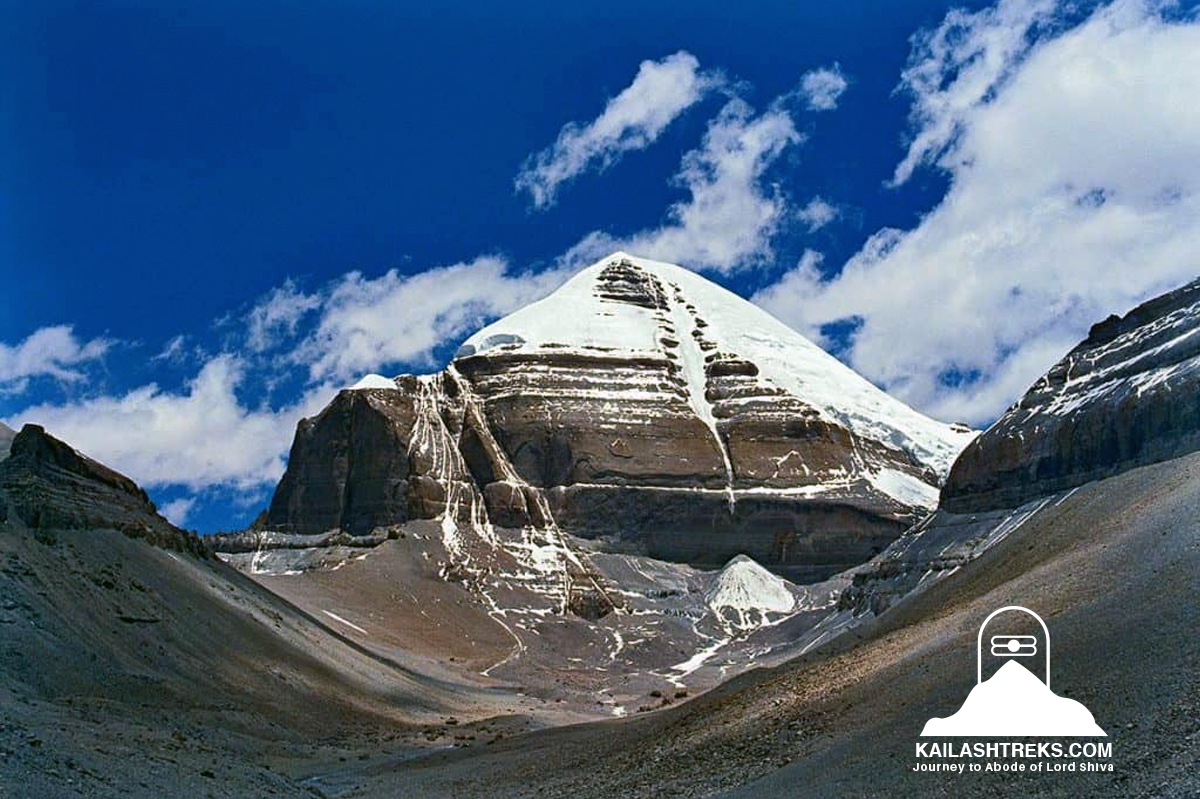
- Day 1 — Yamadwar (Tarboche) to Dirapuk Monastery (~12 km / 5–6 hrs): Gentle valley ascent along the Lha Chu River facing the awe-inspiring North Face of Mount Kailash (Dirapuk sits around 5,050m).
- Day 2 — Dirapuk over Dolma La Pass (5,610m) to Zuthulpuk (~22 km / 8–10 hrs): The steepest spiritual & physical day—climbing steadily to Dolma La Pass, descending past emerald Gaurikund, and walking through the valley to Zuthulpuk Monastery.
- Day 3 — Zuthulpuk to Chongdo & Drive to Darchen (~8 km / 2.5–3 hrs): Easy morning trek exiting the eastern valley before vehicles return the group to Darchen.
9. What is the Kailash Inner Kora (Ashtapad, Nandi Parvat & Charan Sparsh)?
The Inner Kora is an advanced, steeper spiritual circuit entering the inner amphitheater between Mount Kailash and Nandi Parvat, traditionally including sacred darshan of Ashtapad and Charan Sparsh. It requires additional Tibet permissions, extra fitness conditioning, and favorable snow conditions (view Inner Kora details).
Age Limits, Medical Fitness, Diamox & High-Altitude Safety Protocols
10. Is there a strict age limit for Tibet entry in 2027?
Tibet regulations generally permit pilgrims aged 18 to 70 years, subject to doctor-certified medical fitness. Pilgrims slightly above 70 may be considered on select corridors with comprehensive cardiologist clearance and oxygen precautions—check with our operations desk before booking.
11. Should I take Diamox (Acetazolamide) for altitude sickness?
Many physicians prescribe preventive low-dose Diamox before ascending above 3,500m, unless you have a sulfa allergy or kidney/liver contraindications. Never self-medicate—consult your personal physician alongside daily hydration (3.5–4 liters/day) and slow pacing.
12. What emergency equipment does Kailash Treks carry?
Every Kailash Treks convoy carries medical-grade oxygen cylinders, a portable hyperbaric Gamow bag, twice-daily SpO2 pulse oximeters, high-altitude medical kits, and seasoned Nepali Sherpa sirdars trained in acute mountain sickness (AMS) recognition.
Pony, Yak, Porter Logistics & Skipping the Kora Safely
13. Can I hire a horse/pony or personal porter during the Parikrama?
Yes—local Tibetan unions assign horses/ponies and helpers at Darchen/Yamadwar for the 3-day circuit. Note that steep icy steps immediately descending from Dolma La Pass (5,610m) require even pony riders to dismount and walk carefully with their helper for safety.
14. What if I prefer not to trek the 52 km Parikrama?
Thousands of elderly and devotional pilgrims stay comfortably at Lake Mansarovar or Darchen performing puja, havan, and meditation while younger family members complete the 3-day trek, rejoining seamlessly at Darchen on Day 3.
Satvik / Jain Food, Hydration, Lodging & Sanitation in Tibet
15. What meals are served on the Tibetan plateau?
Our accompanying Nepali kitchen crew prepares fresh, hot, 100% pure vegetarian Satvik meals daily—breakfast, light trail snacks/packed lunches, evening soups, and dinner. Strict Jain (no-onion, no-garlic, root-free on request) and South Indian comfort dishes are catered gracefully when noted at registration.
16. What are hotel and guesthouse standards like near Mount Kailash?
Expect comfortable 3–5 star hotels in Kathmandu, Lucknow, and Lhasa, clean tourist hotels in Nyalam/Saga/Purang, and simple shared-room mountain guesthouses at Dirapuk and Zuthulpuk (with basic Tibetan squat/shared toilet facilities and warm blankets provided).
Complete 2027 Packing Checklist, Insurance & Emergency Evacuation FAQs
17. Do I need specialized travel insurance for Mount Kailash?
Yes—especially NRI, foreign, and helicopter pilgrims must carry comprehensive travel & medical insurance explicitly covering high-altitude trekking up to 6,000 meters and emergency helicopter evacuation (standard bank-card travel policies often cap out at 3,000m).
18. What must be in my 2027 Kailash daypack?
- Broken-in waterproof ankle trekking boots + 4 pairs woolen socks + gaiters (for May snow).
- 3-layer thermal system: moisture-wicking base layers, fleece mid-layer, windproof down parka, and waterproof rain poncho.
- UV400 wraparound sunglasses, SPF 50+ lip/sun protection, balaclava, thermal gloves, headlamp, trekking poles, and a 2-liter insulated thermos flask.
Explore our complete Safety & Packing Precautions Guide or connect with our Kathmandu & India team to plan your 2027 departure.